

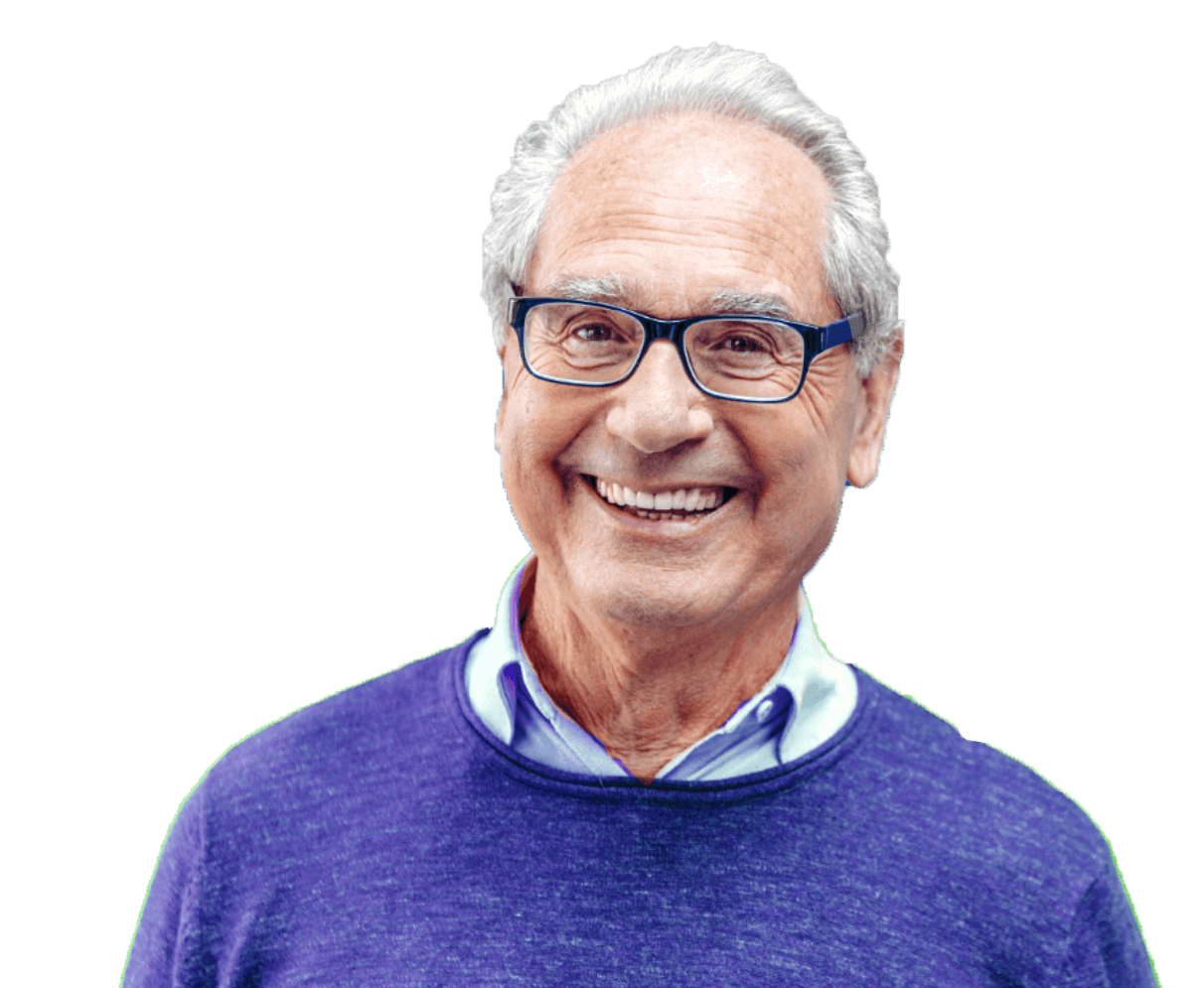
Alex shares how severe hip pain led to an unexpected prostate cancer diagnosis at just 42 years old. With a high PSA and an aggressive Gleason 9 diagnosis, he quickly chose surgery and focused on getting the cancer out as fast as possible. He reflects on the emotional challenges of recovery, the importance of support systems, and how comprehensive follow-up care at UCSD helped him rebuild his health and perspective.
My name is Alejandro Guajardo, I go by Alex, and I was diagnosed in 2016 at the age of 42. Being diagnosed at 42, I don't think I was ready for anything related to cancer, let alone prostate cancer. I didn't know what the prostate was.
It's a very overwhelming experience to be diagnosed with cancer, and when you don't know the details, like I didn't know, it was even scarier. I didn't even have time to research procedures or medication or care. I really dove in and followed all of the instructions that my urologists and my doctors were putting forth for me for my treatment. I was not aware of PSA screenings. I did not know what a PSA test was. As a matter of fact, I'll tell you a brief story about how I was diagnosed.
At the time, I was gaining weight, trying to be a little bit healthier and be more active, so I was trying to run and jog more often. But I had some severe hip pain, to the point where I couldn't stand up sometimes from my chair. After months, maybe six to nine months of dealing with this pain, I would go into the doctor to have it checked out. And my nurse practitioner did a very thorough job about asking me my symptoms and connecting the dots, because she was the first one to ask questions beyond just the hip pain. She really connected my urological health to the symptoms.
When she raised all these red flags, she proposed that I take a PSA exam, or test, blood test, and also that I do a prostate examination right then and there. And being that I'm from a Mexican culture, I was like, "No, nobody's touching me." But it's funny, because after we had a conversation, she performed the exam and she was concerned. I could tell in her expression that there was concern. So that's what started this whole journey.
I didn't know anything about PSA, I didn't know anything about the PSA blood test. But after that, that was a major determiner in how to proceed with my care.
Things moved fast. So this was in November. Actually... Yes, early November, when I was screened, you could say. So she referred me to do the blood work. The blood work came back within a week, and it was 16.6. So for a 42-year-old, it's really high. Immediately, I think they waited maybe two weeks to get another test, just to have a reference point. And traditionally, people wait up to a month to get a second test, but because it was high and the symptoms that I was experiencing were severe, they did a test within two weeks and it was still confirmed the same number.
So from there, that was my primary doctor's office, I was referred to a urologist, and within a week or so, I was getting a biopsy. And the biopsy came through on December 7th of 2016, and within three weeks, I was on a surgery, because the biopsy came back so positive, it was a 5+4, Gleason score 9, it was determined that it was very aggressive, so it was a very quick turnaround. A very scary time in my life. Luckily, the surgery was a success and things moved quickly.
But at the time, I was very much like, "Get this cancer out of me. I don't want to deal with it." I was not educated. Now, it's a different story. Now, the procedures and the screenings are very different, it's almost been 10 years. So it's a lot of information to take in, especially when you're not prepared for it, right?
My wife knew that I was dealing with follow-ups with a lot of doctors to get second opinions about my hip. When I had to get a biopsy because my prostate was enlarged and the PSA score was so high, she was aware of all these things, all these metrics and measurements, but like me, we didn't have the background or the information or the knowledge to really understand how severe things were.
When my urologist that performed the biopsy called me, it was over dinner, and I had stepped outside of the house to take the call, because my kids were young at the time, my son was six and my daughter was three, so I didn't want to interfere with their playtime before dinner. So I stepped outside, but my wife actually heard me talking to the doctor.
So when he told me that it was cancer and it was serious, that's all I heard. After that, everything froze, I had tunnel vision. I walked back inside the house, and I could see that my wife, from her reaction, that she heard my conversation and she heard the results.
So from that point on, we kept the communication just between us. I didn't want to disclose anything with my immediate family, my mother or my siblings, because I thought it was going to be too much to process, especially over the holidays. Being that I was diagnosed in December, heading into Christmas, it was a lot to process. So that Christmas was definitely a very somber, but yet, it was a great opportunity to reflect on the beauty of being with family and enjoying that time. Luckily, things worked out for the better.
Post-surgery, I think, was the most difficult time in this whole cancer journey. I can say that now, because when you're in it, you're just on survival mode and you just want to get through it. You've been diagnosed, you've been pushed or helped to a procedure that's very traumatic and intense. The recovery, it's long and tedious, and then you feel a little bit not whole.
So I think through support groups to meeting other men that have gone through this prostate journey has been really helpful, because that first year post-surgery was difficult, trying to get back to life, trying to get back to parenting, to work. Everything is affected, everything, and it takes a lot of work, both intrapersonal and dealing with the emotions, dealing with the trauma, dealing with the reality. But there is light at the end of the tunnel.
After the surgery, we did quarterly PSA check-ins with my urologist at the time, and that was great. I wasn't as educated. I did that for about almost five years. When I changed my care from this urology group to UCSD and got that more comprehensive care, it was life-changing, because it went from just focusing on PSA, PSA, PSA to blood work that covered so many metrics, testosterone, health, and it really shifted my perspective, because I had been making an effort to be healthy and lose weight.
But with that type of comprehensive care, it just made such a big difference to take, instead of small steps, really take leaps to helping my body recover, even five years after the surgery, to making sure that my health was a top priority.
In terms of side effects after the surgery, I think it's normal to have incontinence, it's normal to have this phase of recovery, and you don't really know where you're going to end up, because everybody's different, everybody's cancer is different, and it definitely... It's almost like a bespoke experience, because you have to be mindful of your health, your physical capabilities.
I'm happy to say that because I was probably younger and a little bit more active and fit, I bounced back pretty quick. I went back to work after a month from the surgery. I had to wear protective gear, let's call it, to be able to maintain myself at work. The only side effect that I can really remember was the fatigue from being put in that physical trauma to recover, and that took about two to three months where I was starting to feel more like myself.
Nine years in, no side effects. The performance when it comes to the intimate side of things can be a challenge. But luckily, there's options for me, from medication to injections, and I think that's the more sensitive conversations that men need to have about what side effects to expect. None of these things were introduced early on, and I think that's part of the issue that they're trying to address with the Prostate Summit and these groups, these organizations, where being vocal and sharing these stories puts it at the forefront so that you know how to prepare, both mentally and physically.
Where I am in my journey today, I'm a completely different person. I feel blessed to have a team at UCSD that took care of me and supported my decisions for change for my health, and now we are vigilantly monitoring. So we do PSA tests and blood work, extensive blood work, every quarter, just to stay on top of things, and this includes everything from metabolic metrics to testosterone. We keep a close eye on weight, diet, activity, because all those variables go into the mix, as well as stress and how we're coping with our interpersonal relationships with people. So it's a really good balance. It fits with the modalities that I'm trying to implement in my life.
I'm here at the Prostate Summit meeting to make sure that people understand that cancer is not a death sentence. There's hope. There's a lot of things that you can do to improve your outcomes and to recover.
It's okay to be scared. It's all right to fear the worst case scenario. But once you get back and settled, listen to yourself, listen to your body, get second and third opinions from trusted people, and make the decisions in a timely manner. That'll give you the best outcome.
This video was produced with the generous support of Blue Earth Diagnostics